Peace Amid the Chaos

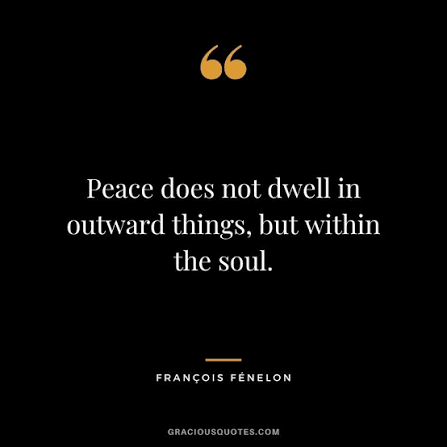
Those of steadfast mind you keep in peace,
in peace because they trust in you.
~ Isaiah 26:3 NRSVue
This week, as we make our way through the topics of our advent candles, we land on peace. Peace is one of those words that have a myriad of meanings, but we’re going to be focusing on just one of them. Internal peace. That feeling that everything is okay, quiet, and you can relax.
I suck at peace.
I could blame it on my trauma, and I’m sure that’s true to a certain degree, but I’m also just someone who has always struggled with turning my brain off. I struggle to relax and disconnect from what’s happening. Because of this, for me, peace has always been somewhat of an active process. Peace is something I have to cultivate for myself intentionally, because if I don’t, I’ll eventually burn out. And take my word for it, burning out does way more damage than the additional work you did burning yourself out can make worth it.
I was reading an article the other day and stumbled across a quote I hadn’t seen before but was resonant with something I’d been discussing with my own therapist for the last few sessions. M. Scott Peck writes, “Mental health is a dedication to reality at all costs.”
The wording might be different, but it sounds a lot like the “reality acceptance.” Reality Acceptance, sometimes also called Radical Acceptance, is a term from Dialectical Behavioral Therapy and is the practice of fully acknowledging and embracing painful or difficult situations as they are, without judgment or resistance, to reduce suffering, allowing you to then address the situation effectively. The key words there are “reduce suffering.” When the world is not as we want it to be, and right now there are very few who would consider this world to be how they’d like it to, we have a tendency to use tactics to avoid accepting reality. Often these take the forms of avoidance, denial, or fighting.
Avoidance is the one most of us use the most frequently. This can look like refusing to engage with news stories, not allowing conversations to happen around you talking about current events, or even avoiding circumstances where such conversations are likely to happen. This can be healthy in small doses but problematic if it becomes your habit. In order for us to be a positive force in the world, we have to understand what’s happening and how it’s affecting people. If you didn’t know that groceries have become unsustainably expensive, you wouldn’t know that food banks and pantries need as much help as we can give them right now in order to make sure that the unhoused and lower income families don’t go hungry. If you didn’t know ICE was in communities, you wouldn’t know that people need legal aid and other immigration related services more than they used to.
In small doses, avoidance can be a helpful tactic to keep yourself from becoming overwhelmed. There is so much happening in the world right now and so much suffering all around us, it makes sense that we can’t take it all in. It’s just a matter of making sure that we aren’t disconnected from the reality that we’ve been put here to help with. For me, I will often scan the headlines and only open one if the headline doesn’t have sufficient information or if the article looks like good news – because we all need more of that right now. In this way I have an idea what’s happening without having to become inundated by the suffering in the world.
You have to find the balance that’s right for you. One that allows you to remain informed enough to be able to help, while caring for your health by ensuring that you’re not living in a state of stress and panic 24/7. It can be a delicate balance.
Denial as a tactic for avoiding reality is a practice more commonly used right now by centrists and conservatives. It’s the simple refusal to believe that things are actually happening as they’re being reported. This is often what makes discussions with conservatives frustrating and difficult, because we’re working off of a fundamentally different set of facts. They believe that the only people being deported are criminals, because that’s what the White House is reporting, and the news sources they choose to follow are only reporting the official statements and ignoring anything to the contrary.
This use of denial as a tactic has been cultivated now for years, with the Trump administration (during both the previous Trump administration and this one) claiming that unflattering statements in the news are “fake news” and that only conservative leaning news sources are reporting the truth. This has led us to a place where unconscionable acts are able to happen because supporters aren’t being asked to approve the actions, they’re being told that the actions aren’t happening. Even if they suspect they’re being lied to, it’s easier to accept the lies you’re being fed than to change your entire worldview.
Finally there’s the one some of us find ourselves falling into, fighting. To be clear, I don’t mean this in reference to fighting to make the future better. That’s our job as Christians. I mean this as fighting against the acceptance of reality. This seems to happen most often when everything starts to become too much for us. When the tragedies and the horrors are piling up to the point where we’re unable to bear them anymore. That’s when sometimes we find ourselves falling into “this can’t really be the world we’re living in, this has to be exaggerated or something.” This is putting a distance between us and the reality of the world. We don’t want to accept the difficult reality, so we put this breath of distance by doubting the veracity. This probably isn’t because we actually disbelieve what’s happening around us, but because we aren’t prepared for the reality of living in the world we’ve been given.
Self care is vital, but we can’t allow ourselves to lose sight of the reality of this world while we’re caring for ourselves. I was reading Rev. Nadia Bolz-Weber’s substack the other day and she gave three discernment questions that have stuck with me ever since I read them. These questions help us realign our expectations of ourselves in light of our abilities.
What’s MINE to do, and what’s not MINE to do? Do you have what is necessary to accomplish the thing? Do you have the skills, the reputation, the credentials, the spoons, etc? Is this something that is better done by someone who is part of the marginalized community? Is this something you’re passionate enough about to use your limited time and energy on it?
What’s MINE to say, and what’s not MINE to say? Are you the one knowledgeable about this topic? Are you part of the group that should be elevated in this conversation? Is this conversation going to be productive, or an argument that’s just going to leave you annoyed and exhausted?
What’s MINE to care about, and what’s not MINE to care about? This question isn’t asking whether this is something that deserves to be cared about, just whether it’s something you need to accept the burden of. There are so many things going on at once, if you try to even just care about all of them, you’re not going to have any energy to do anything about them. Racism, homophobia, transphobia, class warfare, the erosion of our system of law, the state committing murder in the name of the war on drugs, the list goes on and on and on.
These questions are simple but challenging, because if you’re like me and someone tells you to pick your battles, you find yourself wanting to pick them all. Unfortunately, if you’re like me and have actually tried choosing all of the battles, you’ll find that doing so causes you to be kinda underwhelming at everything. It’s how you reach burnout and become unable to do the things that you had previously done really well.
So in closing I have a few questions for you to consider.
What are you doing, saying, or holding in yourself that isn’t yours?
What should you be doing, saying, or caring about that you haven’t had the energy for because you’re picking too many battles?
What’s one thing you can do between now and the end of the year to make things easier for yourself?
Let us pray.